Media Literate is the New Wealthy
How a 60 second world created a life of worry


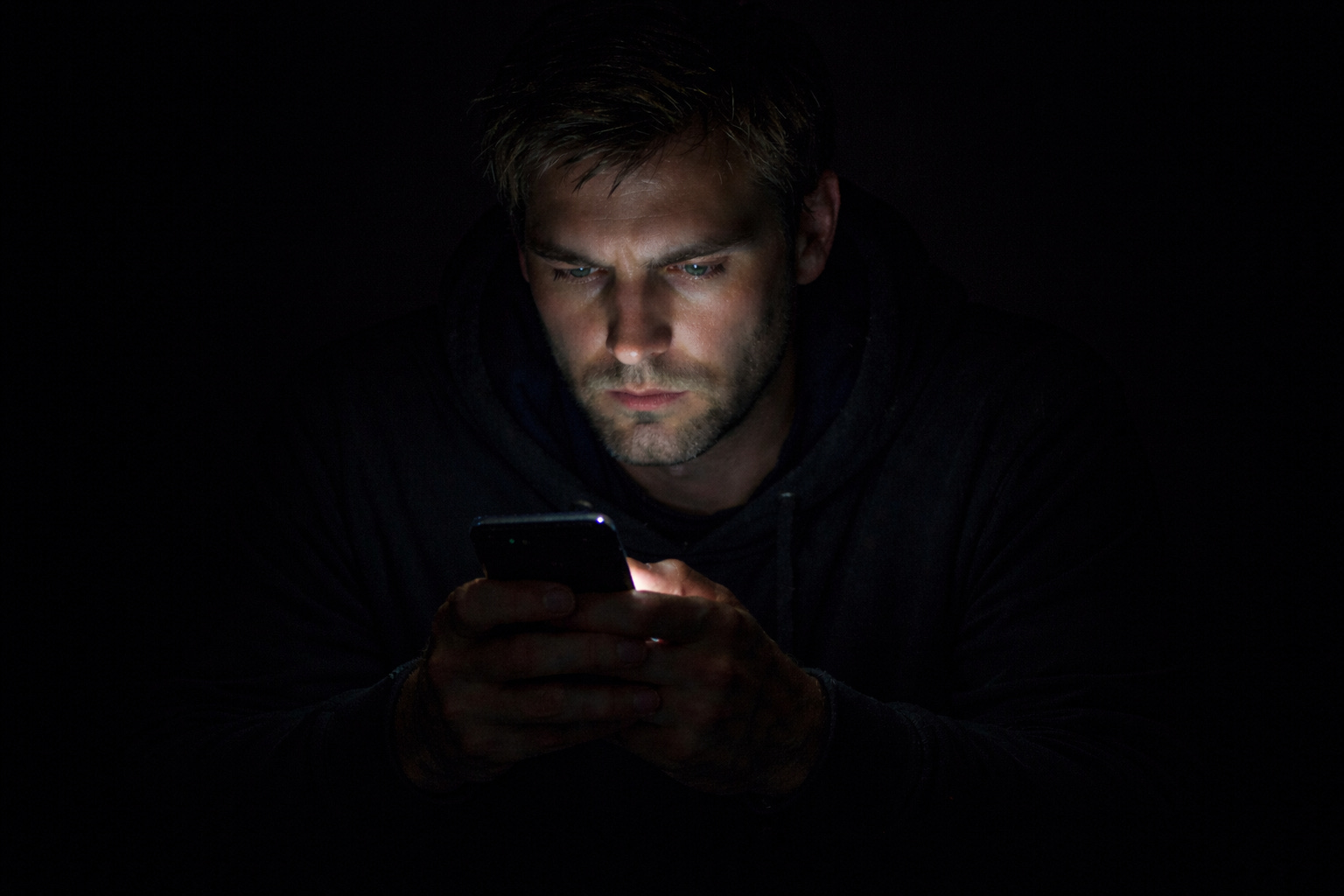
If you believe the saying that ignorance is bliss, then it naturally follows that this “bliss” would dwindle with increased access to information.
I don’t believe this—despite the polarization and division we experience everywhere we go online. Because while social media gave us access to unlimited information, it also gave these platforms unlimited access to learn what they can exploit within us to maximize time spent on their platforms.
Most people have never really spent enough time thinking about why they do what they do or what motivates them. For the majority of people, there are a few experiences in their life, stories they tell themselves, and relationships they believe they have that shape the bulk of their reactions to anything they come across. People also struggle to grasp that the reality they’re seeing on their screen is not what everyone else is seeing. In fact, it’s far from it.
We grew up in an era where, if someone saw the news, everyone saw the same news. So even if it was bullshit, at least we all saw the same bullshit. Now, you’re being served a perfectly curated feed of content that platforms know will create reactions in you—to keep you consuming longer and push you deeper into an echo chamber.
This creates many of the social problems we see today. Empathy is incredibly low because people don’t think about this when they’re online. They don’t realize that if they are right-wing, they’ll deliberately be shown the dumbest take from the dumbest person on the left—sometimes even someone working for the right—simply because there is demand for that kind of content. And vice versa. It goes both ways.
And it doesn’t just include politics. It’s every hot-button issue on the planet. Since most people conceptually understand that they could learn anything they want, whenever they want, for free, everyone just assumes that whatever they know, they know for sure.
Empathy is at an all-time low because the experiences we shape our sense of normalcy around are dictated by algorithms that reward anomalies and polarization. People fail to realize how deep they are in their own echo chambers, remaining genuinely blind to so many things that could improve their lives.
No one is immune to this.
People don’t realize how easy it is to predict behavior and influence it when you can collect enough data points. Behavior leaves clues. That’s why any good social psychologist can make incredibly accurate predictions. We all believe we’re unique, but our behavior is remarkably predictable. Once you identify the strongest driver of a person’s personality, you can predict how they’ll respond to certain stimuli with shocking accuracy.
Social platforms take full advantage of this.
TikTok, in particular, ushered in a rapid acceleration of polarization and echo-chamber formation because it could capture data faster than any platform before it. Other platforms hadn’t fully figured out interest-based distribution, so they simply couldn’t gather enough data to build such precise profiles of who someone was, who they are now, and who they could be nudged into becoming to keep them watching longer.
Throughout my life, I’ve consistently found that people tend to become one of two things: either what they hated most—if they succumb to the pressures of life—or what they needed most when they were at their most vulnerable. The people who are shining stars, who enjoy getting up in the morning and feel passionate about their work, usually become the latter.
Unfortunately, the former is far easier to manufacture—and it guarantees time spent consuming.
TikTok also gave people an endless platform for their problems. In many ways, it incentivized having and spreading them. I’ve seen countless times that people don’t change their lives until they run out of an audience willing to give them sympathy or react to their complaints. TikTok didn’t just give them an endless audience—it gave them an income and an identity for doing so.
Problems stopped being problems. They became personalities, identities, and revenue streams.
This doesn’t happen overtly. It happens partly through human nature and partly through algorithms.
Someone dreams of becoming a creator because they see someone they follow living their dream life, and they’re exhausted by their desk job. They start creating content on the side. Nothing happens for a long time. After studying what works, they notice that the most polarizing videos consistently perform the best. So they look at their life and think about something they could say that would get a reaction.
Inevitably, it becomes their highest-performing content.
Months later, they’ve achieved their “dream life”—built around a fringe idea they were never deeply passionate about. Eventually, though, they have to become passionate about it, because their identity, lifestyle, and income now depend on those opinions.
And this goes beyond creators.
Many people will never post a video, but when everyone else is picking a team, it feels like you have to choose one too—otherwise, you’re left with none.
Over nearly 30 years on this planet, one thing I’ve consistently noticed is the increasing social cost of having an opinion. As long as that remains true, we can’t make things better. You have to forgive the flaws in others that a broken system created if you ever want that system to change.
Modern-day media literacy is the new wealth.
Those who understand that they are naturally being pushed into echo chambers are able to step back, assess the situation, and make their own choices. They can step into different echo chambers and spot the hypocrisy and absurdity of the arguments being made—often purely for views. And once you see how ridiculous one side can be, you start noticing it in the side you once defended just as fiercely.
Let’s bring back dialogue.
Let’s bring back communication.
Let’s bring back curiosity.
The only way to do that is to show others the compassion you want to receive. We were taught as kids to treat others how we want to be treated—but somewhere along the way, we forgot. Online, we don’t always feel like we’re interacting with real humans because we don’t see their faces. And sometimes, that’s true—many interactions are with bots.
Still, if we showed more grace in comment sections and approached conversations with genuine curiosity, the world could improve quickly. Our problems persist because we don’t communicate about the real issues. We’re too busy yelling about things that don’t actually matter.
The public’s ability to detect cause and effect is weak. That’s why we get pulled in countless directions that feel close to the solution but never actually solve anything.
This won’t be fixed overnight. I personally believe decentralized social media could play a major role, and building a truly decentralized platform is one of my life goals. But there are small things you can do today to dramatically improve your media literacy.
Avoid short-form content.
Life is full of nuance, and anything delivered in 60 seconds is missing something important. Your life will improve dramatically if you stop consuming short-form content entirely.
Prioritize platforms that give you choice.
I love YouTube because it’s still choice-based. I have to click a video for it to play. That luxury has been stripped away on most platforms—and even on YouTube with Shorts. Avoid those too.
Reward good behavior.
Support creators you resonate with through Patreon, memberships, or communities. Amplify thoughtful comments you see online. Many people who leave hateful comments do so because it’s the only place they’ve ever felt noticed. Even negative attention can feel better than none when someone is deeply lonely.
Be endlessly curious and never certain.
The moment you believe something with absolute certainty is the moment you stop growing and become predictable. Today, go consume content from the perspective you disagree with most. Find one thing you agree with. I promise you it exists. Then identify what feels “crazy”—and look for the equivalent craziness in your own echo chamber.
The world would improve dramatically if people did just these four things. Unfortunately, they aren’t as dopamine-heavy as doom scrolling. But if you’re serious about changing the world—and I hope we all are—take this seriously.
Be curious.
Be kind.
Be compassionate.
We’ve been given the greatest gift in human history: the internet. And we’re wasting it.
We can make this world incredible—the exact one we already live in—once we realize that we’re the ones creating the problems in the first place. We are richer than we’ve ever been.
We just haven’t realized it yet.
Have a great day, and don’t forget to subscribe to Memes and Markets.
Love ya. See ya next time.
Ben
AI DISCLOSURE
Tools Used: ChatGPT
Purpose: Proofreading/punctuation & grammar
Prompt given: Hey chat! Hope your day is great. Please edit my article for grammar, punctuation and flow. Don’t change any of the core ideas.
 | A guest post by
|